This book brings together some of the most haunting cases in Canadian history and invites readers to look closely at the places where personal tragedy and systemic failure come together. These chapters revisit stories that once dominated national conversation and others that were nearly forgotten, each one revealing something important about violence, trauma, and the silence that allowed harm to continue.
Through careful research and clear storytelling, the book explores cases like Karla Homolka and Paul Bernardo, which forced Canada to confront difficult questions about justice and manipulation, as well as tragedies shaped by untreated mental illness and missed warning signs, such as the heartbreaking case of Elaine Campione. These stories show how human struggle, social pressure, and institutional neglect can collide with devastating results.
Alongside these well-known events are lesser-known tragedies, including the deaths connected to the Ideal Maternity Home and the life of Minnie McGee, whose years of grief and poverty led to an act that stunned her community. Each chapter asks readers to look past the headlines and toward the deeper human realities beneath them.
In the end, this is more than a true crime collection. It is an honest look at the complexity behind each life and each loss, and a reminder of how often warning signs go unanswered and how important it is to understand the truth, even when the truth is difficult to face.

Canadian Female Killers
If you grew up in a home shaped by addiction, taught again and again that you owed your silence, your forgiveness, and your loyalty, and that protecting yourself was somehow a betrayal. This book exists to help you step out of that message and finally understand that you are allowed to choose yourself.
But She Is Still Your Mother looks closely at what happens when a family revolves around the addict, and everyone else learns to disappear in order to keep the peace. It speaks openly about denial and blame shifting and the quiet expectation that you should protect the family image instead of the truth, and it helps you recognize the roles you were placed in, the responsible one, the peacekeeper, the child who stayed quiet because it felt safer than speaking.
This is not a book that centers the addict. It is a book that turns toward you and the weight you carried, and how your body learned to live in confusion and tension, and how guilt still shows up even when you have every right to feel free. It offers the understanding that protecting yourself is not selfish but necessary, and that your life does not have to bend around someone else’s addiction anymore.
What you will find here is a steady and patient voice that believes you. It walks with you as you consider boundaries, as you let go of duty that was never yours, and as you begin to imagine a life with more clarity and more peace, a life where you are finally allowed to take up space without apology.
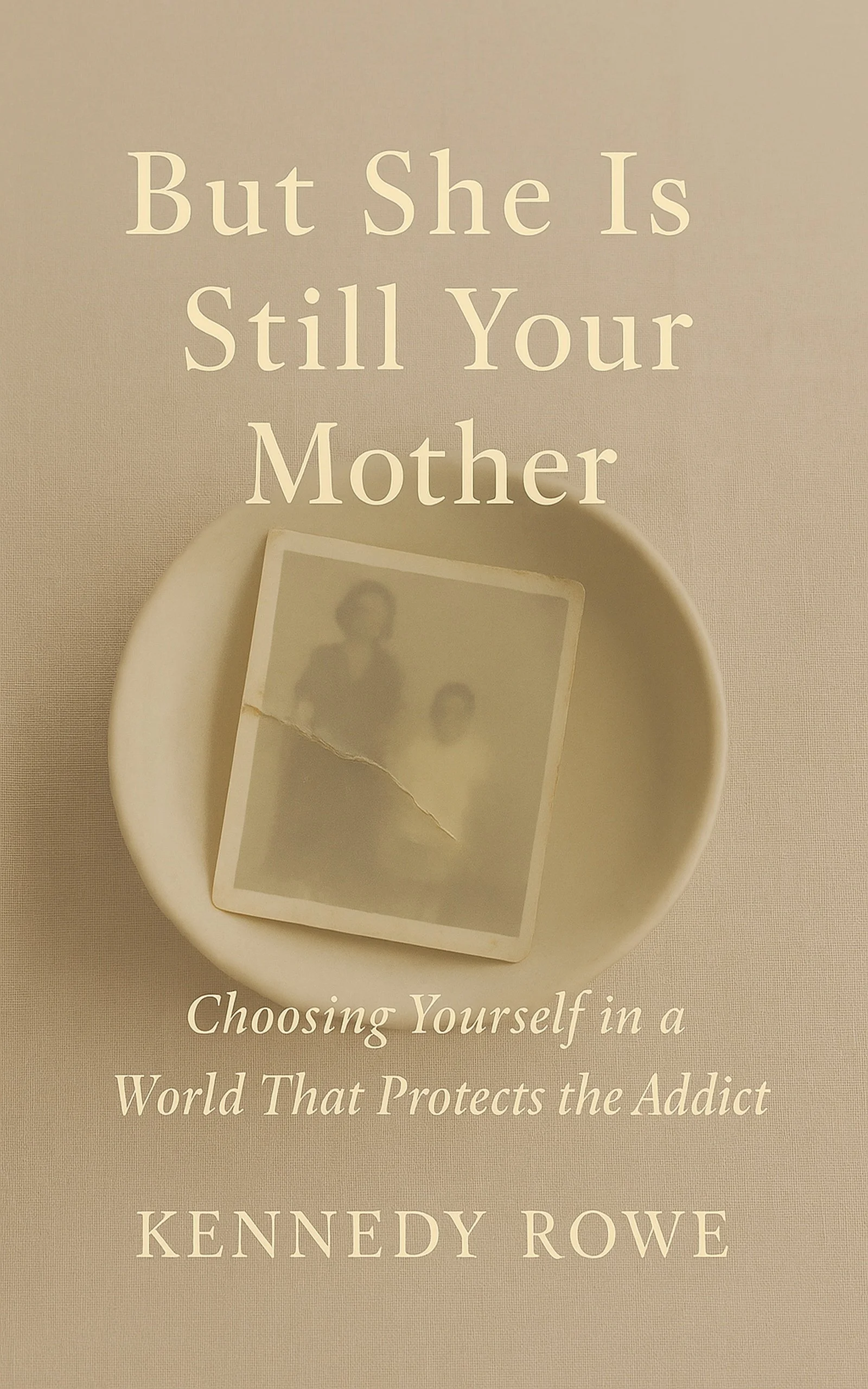
But She is Still Your Mother
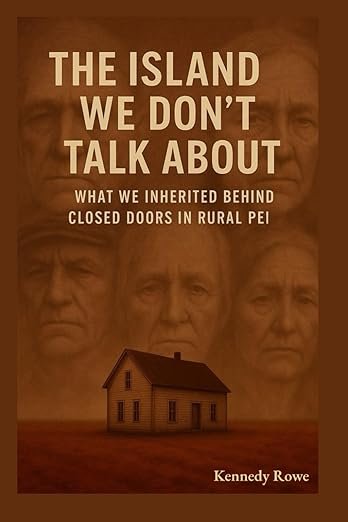
The Island We Don’t Talk About
This book is a raw, unflinching exploration of what it means to grow up in rural Prince Edward Island in the shadow of unspoken rules, generational silence, and emotional survival. Told through layered narratives, lived experience, and cultural insight, it uncovers the quiet tragedies and ordinary dysfunction that shaped a generation.
From cold kitchens to rigid mothers, from rooms without doors to voices that never softened, this is not just a memoir, it is a mirror for every adult who walked through childhood learning to shrink.
With stark honesty and a deeply human voice, The Island We Don’t Talk About names the truths behind tidy curtains and smiling family photos. It invites readers to remember, and begin again.
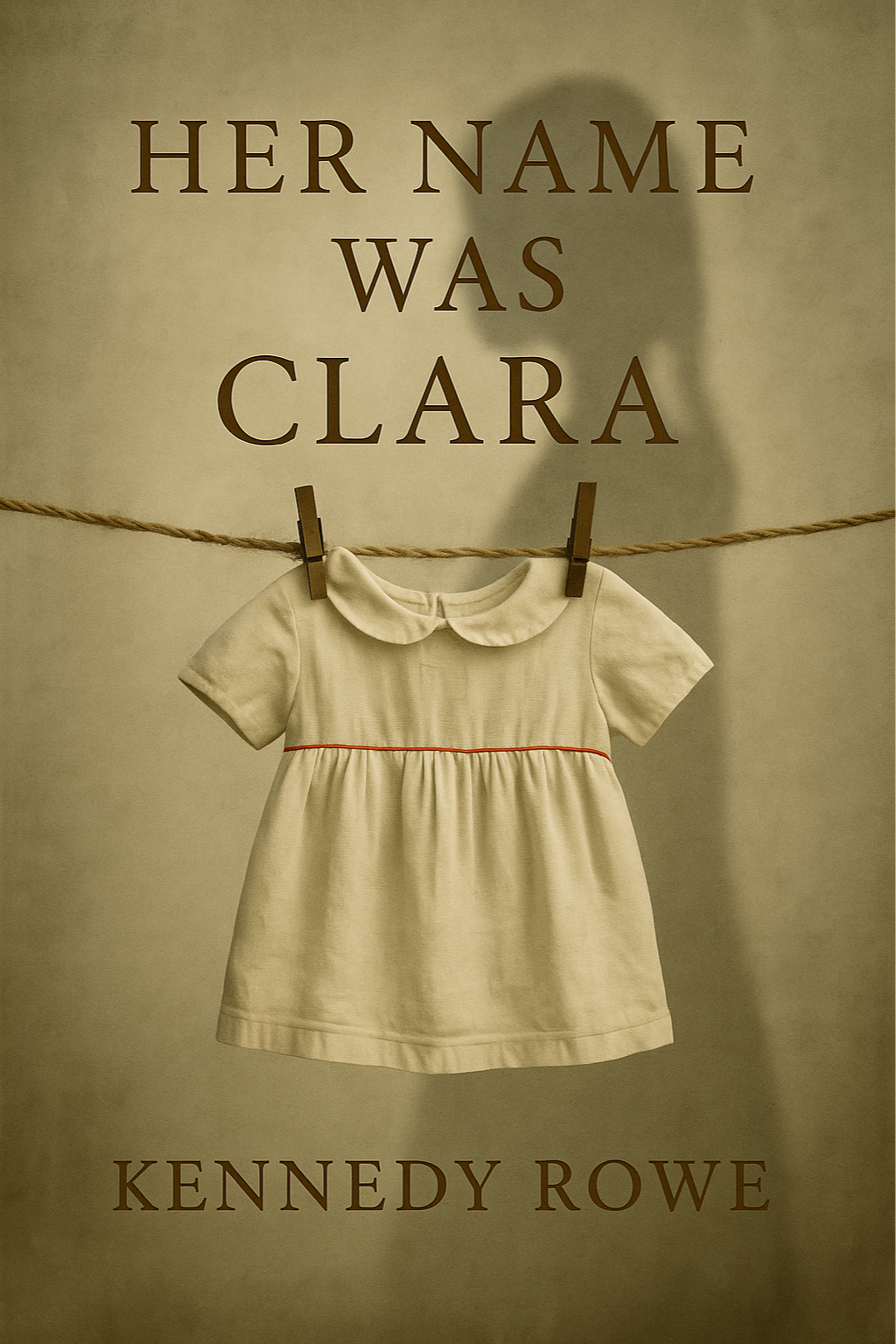
Her Name Was Clara
On the far edge of Prince Edward Island, where poverty settles in like weather and silence passes for good manners, Ruth Blake finds an old wool sweater at the back of her shed and breaks a family rule. She says her sister’s name.
Maggie was “sent away,” and after that the house learned to talk in unfinished thoughts. The town nodded in that tired, knowing way, conversations thinned out, and the mantel lost its photographs. With the sweater on her chair and years of questions caught in her throat, Ruth begins to ask where a girl can go and simply vanish. She finds locked cabinets, wrong names on forms, and the kind of smile that means she has reached the end of what she is allowed to know. A retired matron repeats, “They were treated well for the time.” A ringing bell in a care home shakes the shine off that claim. A quiet worker tells her, “Try the old women’s guild records,” and something shifts.
Threaded through hidden rooms, borrowed babies, and records shaped to protect everyone except the girls themselves, Her Name Was Clara follows a sister who refuses to let paperwork settle the truth. Here, love leaves its own evidence. A single red stitch tucked into the hem of a baby gown. A sweater that carries the shape of its owner. A seam that remembers what the files tried to forget.
Spare and haunting, steeped in rural Island detail, this novel asks what justice can look like when the past refuses to stay buried and what it costs to keep saying seven in a place that prefers six. For readers who love quiet and devastating stories about women, old systems, and the small mercies that outlast them, Her Name Was Clara is an act of witness and a hand held out in the dark.
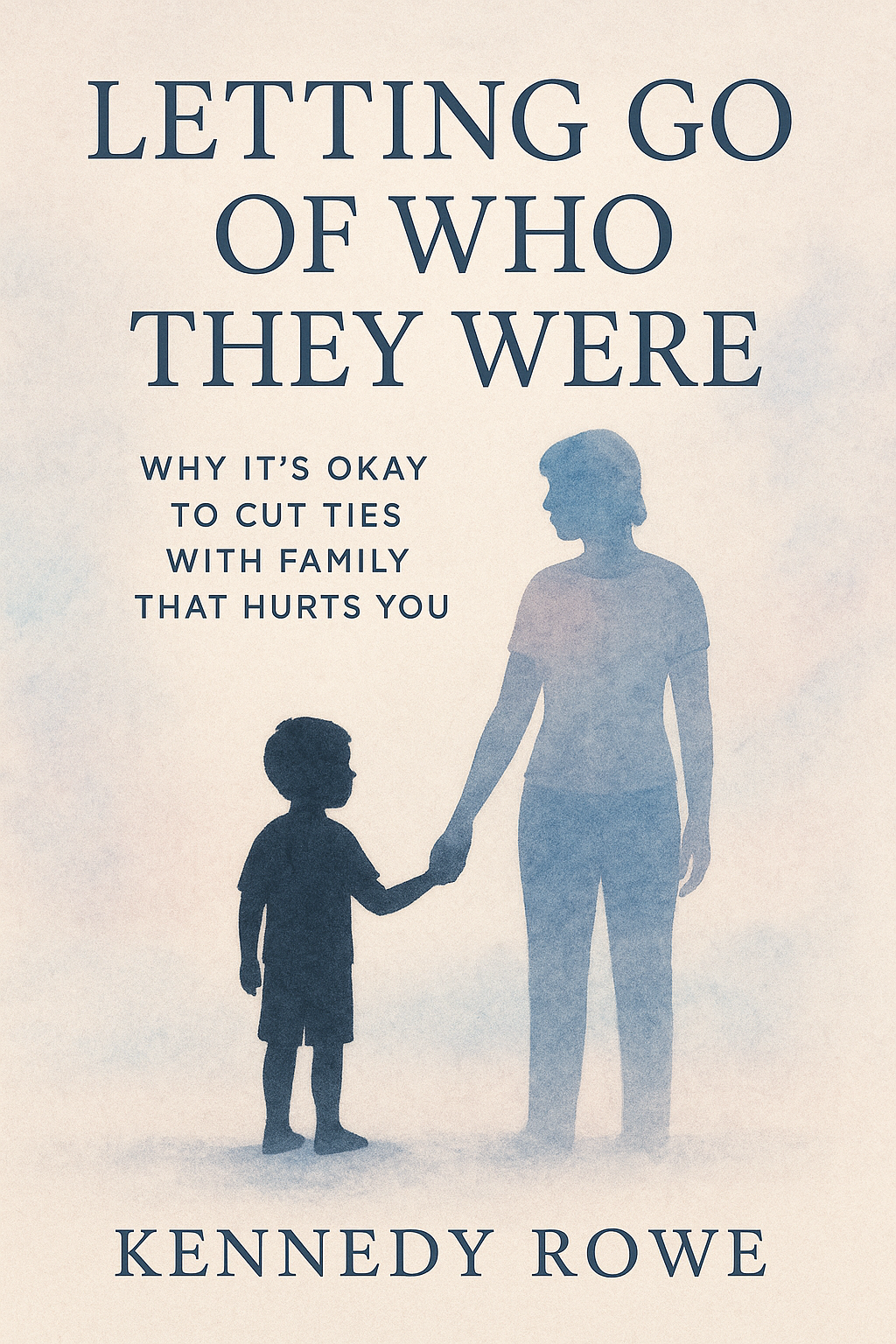
Letting Go of Who They Were
Letting Go of Who They Were is a healing guide for anyone who has faced the painful choice of stepping back from a parent, sibling, or family member whose behavior has caused lasting harm. It is written for the person who has tried for years to make the relationship work and who now needs permission to stop carrying the weight alone. This book helps you untangle love from obligation and understand that choosing your own well being is not abandonment but survival.
Through reflective insights and compassionate storytelling, it offers a place to rest and to make sense of what happened, especially when others dismiss your experience or pressure you to stay loyal no matter the cost. It reminds you that your story matters, your boundaries are valid, and your healing does not require anyone else’s approval.
If you have ever felt guilty for stepping away or unsure how to move forward, this book gives you language, clarity, and comfort as you rebuild a life that no longer asks you to shrink in order to belong.
When Family Is Not Safe
Understanding Estrangement Without Judgement
When Family Is Not Safe is for adults who stepped back from family not out of anger or cruelty, but out of necessity. It gives language to the grief, shame, and isolation that often follow estrangement, including the pressure to forgive, explain, or tolerate behavior that never truly changed.
Rather than offering advice or promising reconciliation, the book focuses on understanding. It explores estrangement as a rational response to ongoing boundary violations, addiction, emotional immaturity, and denial within family systems.
This is a book about clarity, not blame. It offers understanding without judgment and permission to choose safety over obligation.
BOUNDARIES AND THE ADDICT
YOU DON’T HAVE TO LIVE LIKE THIS ANYMORE
"Living alongside addiction gradually reshapes the way a person moves through the world, until daily life becomes organized around managing someone else’s volatility, anticipating their moods, and absorbing the consequences of choices you did not make, while your own needs are quietly postponed in the name of patience, loyalty, or hope.
Boundaries and the Addict is not a book about diagnosing addiction, fixing another person, or finding the right words that will finally make someone understand, but an examination of what happens when compassion is stretched so far that it begins to erase the self, and why stepping back is often the only response that restores clarity, dignity, and safety.
With calm precision, Kennedy Rowe names the behavioural patterns that keep people trapped in cycles of chaos, guilt, and false responsibility, explaining why explanations rarely lead to change, why boundaries are often met with anger or retaliation, and why distance, whether temporary or permanent, is not a failure of love but a recognition of reality.
Written for those who have spent years carrying more than their share, this book offers language for what has been happening beneath the surface, permission to stop negotiating with harm, and a way forward that does not depend on another person’s recovery, remorse, or cooperation."
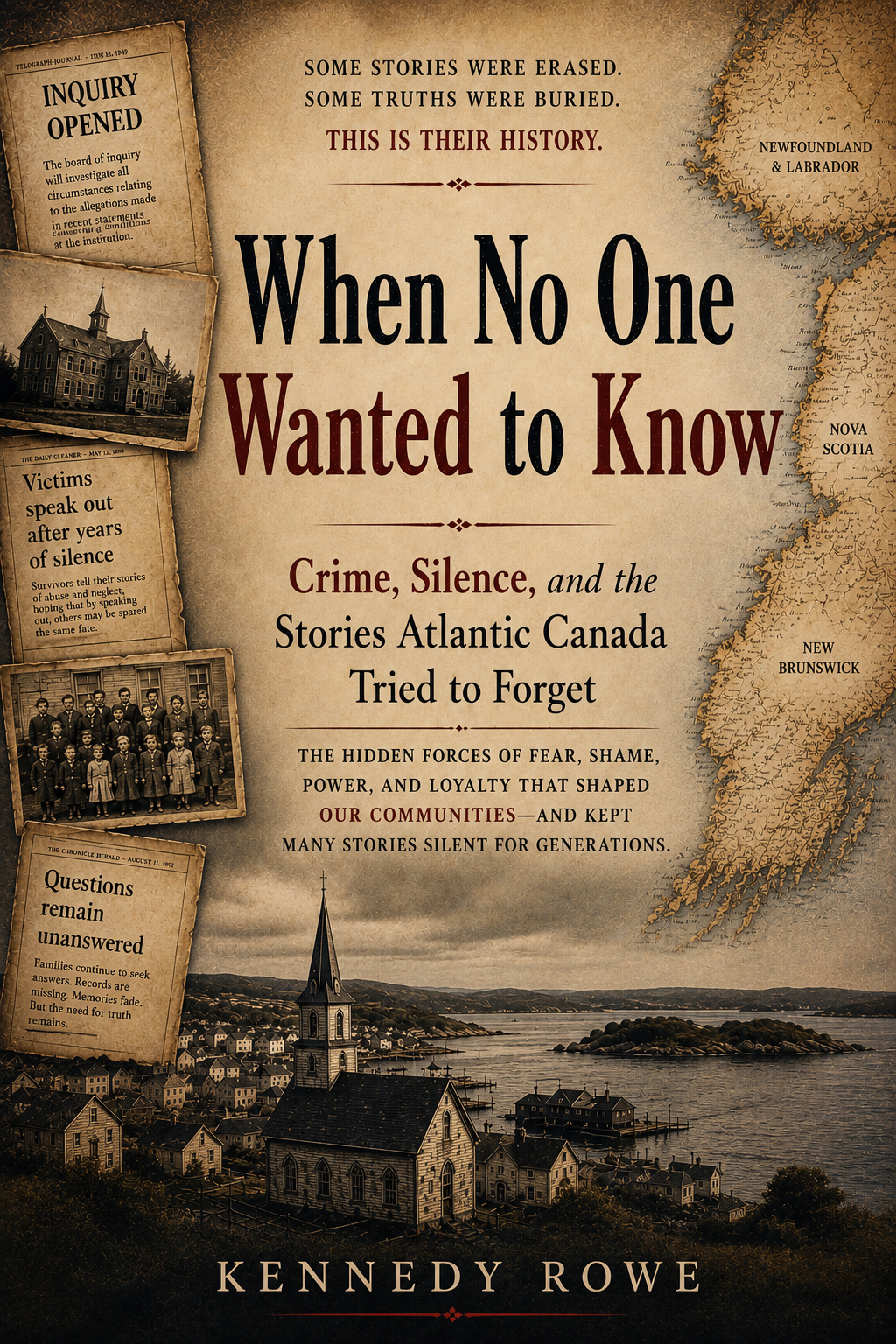
When No One Wanted to Know: Crime, Silence, and the Stories Atlantic Canada Tried to Forget
In When No One Wanted to Know, Kennedy Rowe explores some of Atlantic Canada's most troubling and often overlooked cases, scandals, and institutional failures. From abuse hidden behind respected walls to tragedies ignored in the name of reputation, this powerful collection examines what happens when silence becomes more important than truth.
Through careful research and compassionate storytelling, Rowe revisits the lives of victims, survivors, families, and communities whose experiences were often minimized, dismissed, or forgotten. The book explores how systems designed to protect people sometimes failed them, how secrecy allowed harm to continue, and why accountability can remain elusive long after the headlines fade.
More than a true crime collection, this is an examination of memory, justice, and the lasting consequences of looking away. It is a reminder that history is not only shaped by what is remembered, but also by what society chooses to forget.
Thought-provoking, respectful, and deeply human, When No One Wanted to Know invites readers to confront difficult truths and consider the stories that still deserve to be heard.
The Forgiveness Trap:
How Forgiveness Culture Protects Harm, Avoids Accountability, and Keeps Dysfunction Alive
What if forgiveness is not the highest form of healing?
For generations, we have been taught that forgiveness is the path to peace. We are encouraged to rise above, let go, and move on. But what happens when forgiveness is expected before accountability exists? What happens when the pressure to forgive protects the people who caused harm while placing the burden of healing on those who were hurt?
In The Forgiveness Trap, Kennedy Rowe challenges one of society's most deeply accepted beliefs. Through thoughtful analysis, real-world examples, and a compassionate exploration of family dynamics, trauma, social expectations, and personal boundaries, this book examines how forgiveness can sometimes be used to maintain unhealthy systems rather than repair them.
Readers will discover how forgiveness culture can silence legitimate anger, discourage accountability, and pressure survivors to prioritize the comfort of others over their own healing. More importantly, they will learn that healing does not require minimizing harm, abandoning personal truth, or granting access to people who have never accepted responsibility for their actions.
Honest, thought-provoking, and deeply validating, The Forgiveness Trap offers a different path forward, one built on self-trust, boundaries, accountability, and the freedom to define healing on your own terms.
This is not a book about refusing forgiveness. It is a book about reclaiming choice.